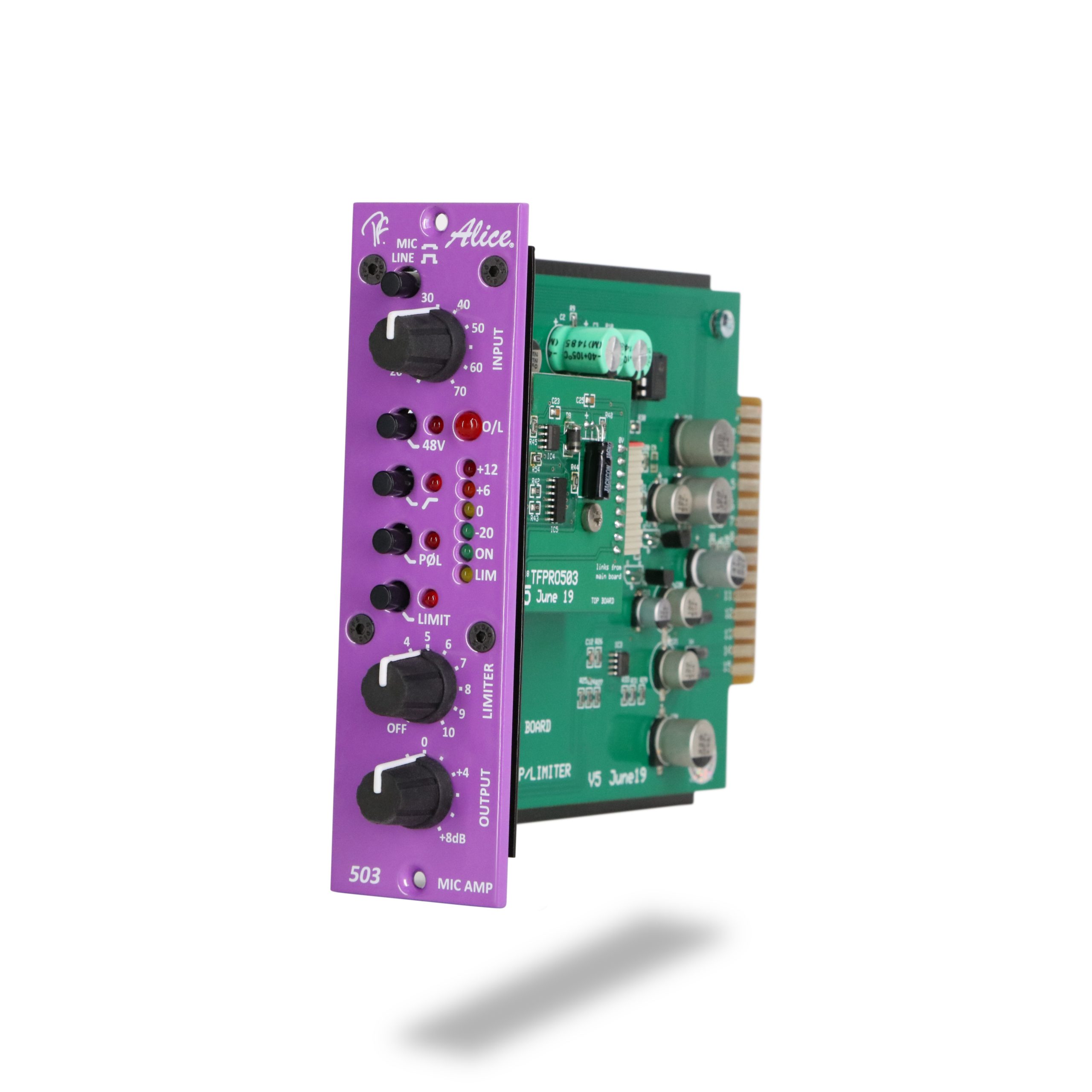
Equalizers were first used in the movie industry in the USA to solve a serious problem; microphone placement was difficult and the dialogue sounds achieved varied significantly, so they needed to design electronic circuits that would equalize the sounds from different microphones so that they all sounded the same. The name has stuck and now we have complex digital equalizers that engineers use for effect. The original purpose was to sweeten the sound. The equalizer circuits were originally designed by Peter J. Baxandall in the 1950s as part of a competition, for which he won the prize of a wristwatch. Variations of his designs have been used by nearly all broadcasters and hi-fi manufacturers ever since. Ted Fletcher’s variations incorporate the original Class A circuitry, and modifications to the curve have been shaped specifically for sweetening of final masters. Width Control In order to retain perfect symmetry between the left and right channels of the stereo equaliser the audio signal is processed into ‘sum and difference’ mode (that is L R = ‘sum’, L-R = ’difference’), the two audio signals are then processed by the EQ controls before being re-processed back into left and right format. By going through this process the left and right channels remain perfectly symmetrical with no image shift, any minor difference between the processed sum and difference signals show up only as small deviations in width of the stereo image. A further useful advantage of the sum and difference processing is that the width of the stereo image is controlled by the volume level of the ‘difference’ channel so by adding a gain control the stereo width can be accurately controlled. With the width control at minimum the audio output is mono. When the control is half way, the processing accurately recombines the audio into left and right. If the control is increased further, the image is extended beyond the original stereo. Technical Specification Frequency response: 20Hz to 20KHz Line input: 10KHz current-mode transformer balanced Gain: Unity EQ – high: /- 12dB with shelving at 10kHz EQ – mids: /- 12dB with shelving at 1600Hz EQ – lows: /- 12dB with shelving at 100Hz Relative input noise: better than -90dB Harmonic distortion: <0.05% Crosstalk: better than -50dB Maximum output: 21dBu A stereo-compatible 500 series chassis is required for this product