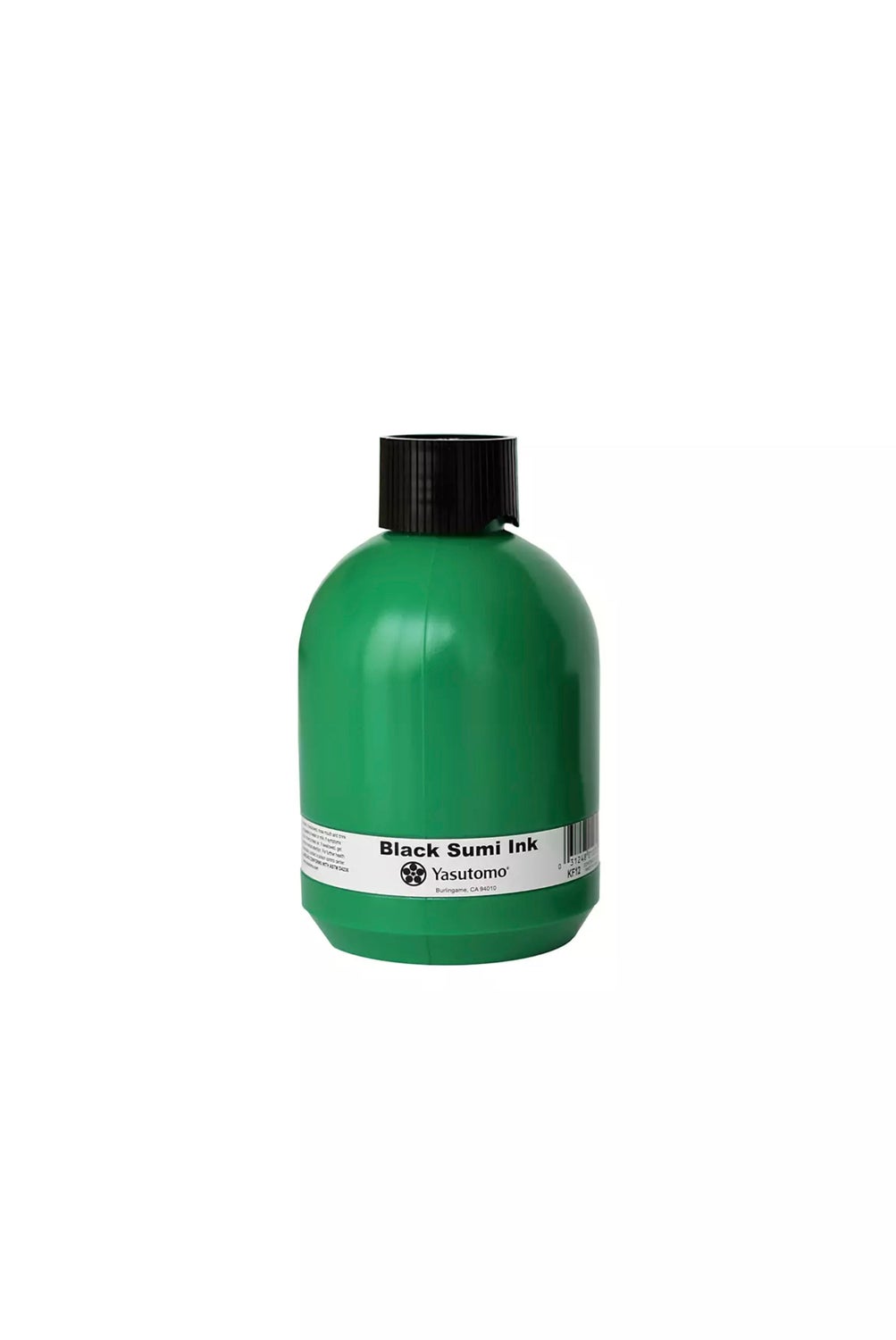

Yasutomo Sumi Ink
$ 5.68
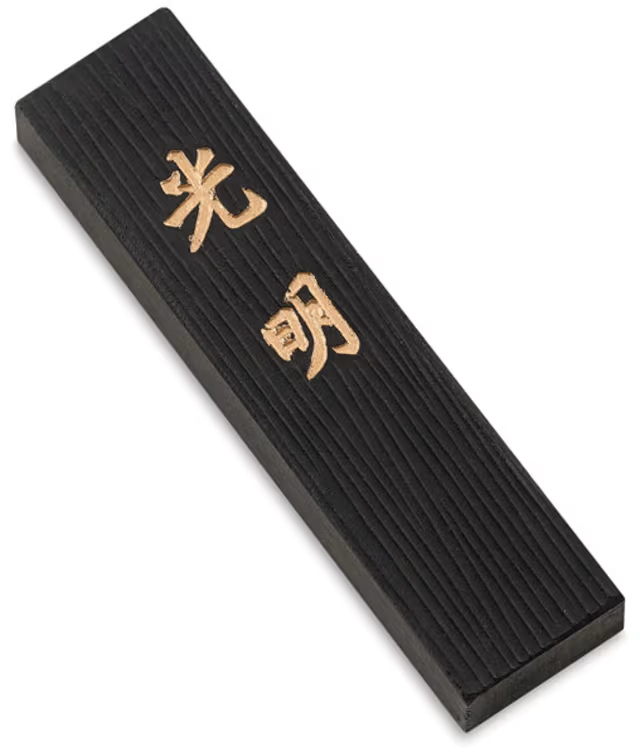
Yasutomo Sumi Ink – Traditional Japanese Ink for Your Art Yasutomo Sumi Ink is a traditional, deep black Japanese ink made according to methods that are thousands of years old. This plant-based ink contains shellac and is known for its high lightfastness and intense pigment. It dries to a beautiful gloss and offers artists the ability to create versatile works, from subtle shades of grey to a deep, opaque black. Available Options: Black Liquid Sumi Ink (355ml & 59ml) This pre-mixed, permanent ink is made from the same high-quality soot as our sumi ink sticks. The bottle opening is wide enough to load ink for most brushes, and its cap conveniently doubles as a brush rest. The ink absorbs into the paper slightly and is highly water-resistant when dry, allowing for unique glazing capabilities and layering. Traditional, deep black Japanese inkHigh lightfastness and plant-basedContains shellac and dries to a glossy finishDilute with water to create a beautiful grayscale Sumi Ink Stick Experience the authentic, traditional way of preparing ink. Yasutomo's sumi ink stick is made in the tradition of Asian artisans. Grind on a suzuri stone with water to create your own authentic sumi ink. This method is unsurpassed for producing the famous "Five Colors," or shades of black, that form the basis of monochromatic Sumi-e painting. The subtlety of Sumi ink is evident in the variety of tones and values it produces. See the Sumi Ink Stick product here. Usage Tips: Liquid Ink: Perfect for direct use in calligraphy, ink drawings, and on large surfaces. Its water-resistance once dry makes it an excellent base for watercolour painting—you can paint over ink outlines with watercolours without the ink bleeding.Sumi Ink Stick: Ideal for traditional Sumi-e painting and calligraphy where you want complete control over the ink's depth and tone. Grinding the stick longer produces a deeper black, while less grinding with more water creates delicate shades of grey. To use the ink stick, you also need a grinding stone. You can find the Suzuri Stone product through this link.Paper Choice: Use an absorbent paper, such as Japanese paper (e.g., Kozo, Gasen) or rice paper, for the best results. The quality of the paper affects how the ink spreads and absorbs.
You may also like…